
You’ve probably heard the advice a hundred times: Eat more fiber. And maybe, like most people, you’ve filed that advice somewhere between “drink more water” and “get enough sleep”—totally true, easy to nod at and… immediately forgotten the moment life gets busy. (Which is always, right?!)
Here’s the thing though. Fiber isn’t just the boring hall monitor of your digestive system. It’s one of the most underrated tools for how your body actually functions—blood sugar stability, appetite regulation, energy, cholesterol balance, metabolic health. Basically, the whole package.
And most of us are getting about half of what we need. Yep, half!
So let’s talk about what fiber actually is, where to get it, how much you need and—the part most people completely miss—why variety matters just as much as hitting the numbers.
Where Fiber Actually Comes From (Hint: It’s Not Just Sad Salads)
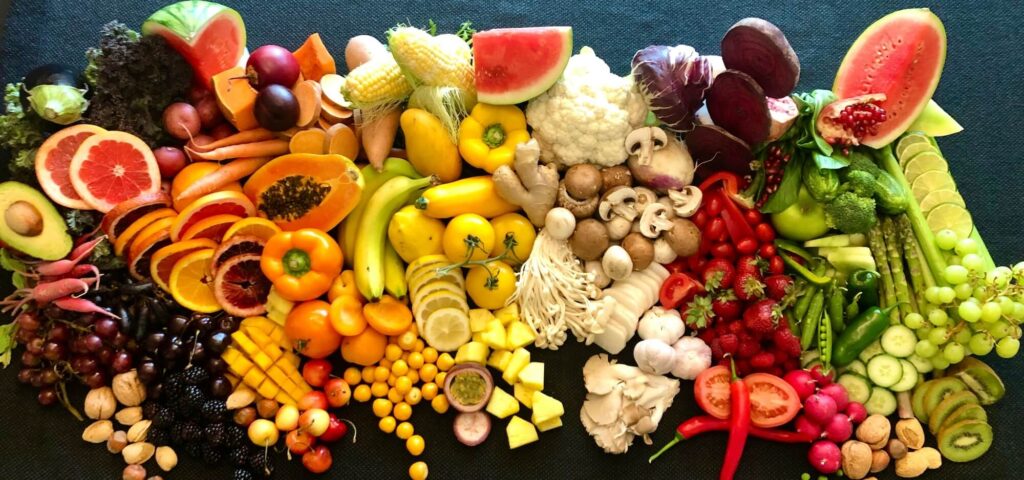
Fiber comes exclusively (well, naturally exclusively) from plant foods. That includes fruits, vegetables, beans and lentils, whole grains, nuts, seeds and even herbs and spices. Some easy everyday examples:
- Fruits: berries, apples, pears
- Vegetables: leafy greens, broccoli, carrots
- Legumes: black beans, chickpeas, lentils
- Grains: oats, quinoa, brown rice
- Nuts & seeds: chia seeds, flax seeds, almonds
The key isn’t finding one magical fiber food and white-knuckling it every day. It’s building meals around plants consistently—which brings us to the actual numbers.
How Much Do You Actually Need?
General guidelines put it at around 25 grams per day for women and 30–38 grams per day for men (younger on the higher end, older on the lower end). Most people are landing somewhere around half that. Which, honestly, explains a lot.
That gap matters because fiber:
- Slows digestion for steadier, more stable energy
- Supports gut health and overall digestive function
- Improves satiety so you’re not raiding the pantry at 9pm
- Helps regulate blood sugar and cholesterol
- Promotes regular bowel movements (you knew that one was coming)
In short: Fiber is one of the foundational levers for metabolic health. It’s not glamorous. It doesn’t have a celebrity endorsement. But it works—and we go even deeper into the connection between fiber, your nervous system and your metabolism in this week’s Elegantly Unhinged podcast episode. (Catch it here on Spotify or Apple podcasts.)
One important caveat: If you’ve been eating very little fiber, please don’t try to double your intake overnight. Your gut will have opinions about that, and none of them will be polite. Increase gradually, drink plenty of water and give your body time to adjust. Consistency beats intensity—always.

The Part Most People Miss: Variety
Okay, here’s where it gets interesting—and where most standard fiber advice completely drops the ball.
Getting enough fiber matters. But getting varied fiber matters just as much.
Here’s why: Different types of fiber feed different strains of gut bacteria. So if your fiber game looks like oatmeal, broccoli and a side salad on repeat… you’re doing something right, but you’re only supporting part of your microbiome. It’s like going to the gym and only ever training one muscle group. Technically you’re working out. But you’re leaving a lot on the table.
A more diverse plant intake means better digestion, more stable energy and a more resilient system overall. And here’s the kicker—it doesn’t require a total lifestyle overhaul. Just a little intentional variety.
Three Strategies to Add More Variety (Without Losing Your Mind)
1. Aim for 10 different plant foods per week.
Not 10 servings—10 types. Fruits, vegetables, beans, grains, nuts, seeds, herbs, spices—all of them count. Most people who try this quickly realize they’ve been eating the same five foods on a loop and calling it a balanced diet. No judgment. It’s shockingly common.
The good news: It’s easier to hit 10 than you think once you start counting things you normally overlook. Fresh herbs like cilantro, parsley, and basil? Those count. The garlic and onion you cook with? Count them. A sprinkle of cinnamon, a handful of sunflower seeds, a spoonful of tahini—all of it adds up faster than you’d expect.
Some genuinely underrated plants worth adding to your rotation:
- Jicama—crunchy, slightly sweet, great raw with dips or sliced into slaws. Surprisingly high in fiber and specifically feeds beneficial gut bacteria.
- Sunchokes (Jerusalem artichokes)—roast them like potatoes. One of the richest sources of inulin, a prebiotic fiber your gut bacteria absolutely love.
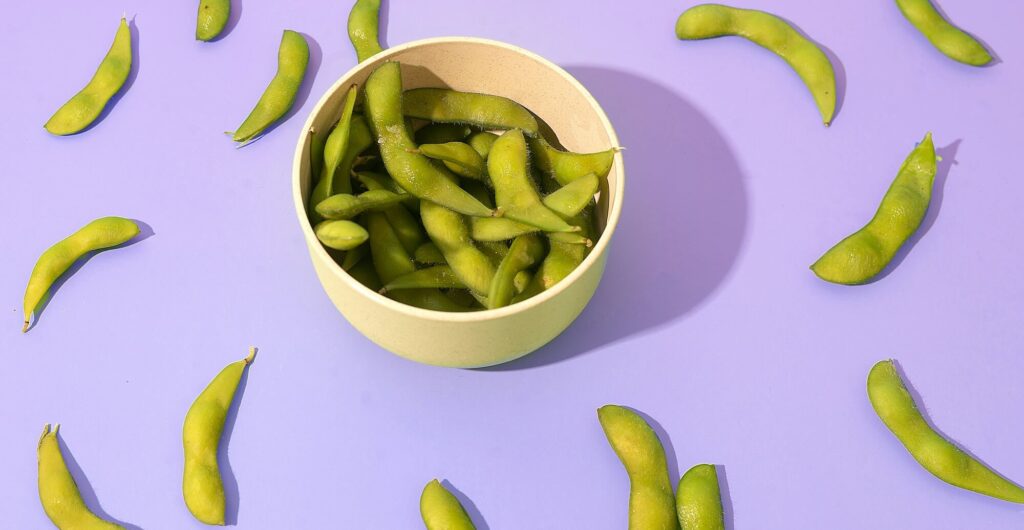
- Edamame—easy, protein-rich and one of the most fiber-dense snacks you can grab. Works straight from the freezer, which is the kind of effort level we’re going for.
- Pomegranate seeds—toss them on anything. Crunch, color and a type of polyphenol that supports a specific and highly beneficial strain of gut bacteria.
- Freekeh—a roasted green wheat with a smoky, nutty flavor. More fiber than quinoa, and most people have genuinely never heard of it. Which means your microbiome probably hasn’t either.
- Dragonfruit—looks dramatic, tastes mild, contains a prebiotic fiber type that’s different from most common fruits. Also: It looks like something from another dimension and that’s kind of fun.
The goal isn’t to eat all of these at once. It’s to slowly rotate new plants in so your gut never gets too comfortable with the same cast of characters.
2. Pick one new plant every grocery trip.
Just one. One thing you don’t normally buy. That’s the whole strategy.
Over a few weeks, this quietly expands your fiber rotation without requiring a meal planning overhaul or a sudden personality shift toward “person who loves cooking.” Some ways to make it more interesting:
- Shop the overlooked corners of the produce section—the less-glamorous root vegetables you always walk past. Turnips, parsnips, kohlrabi, celeriac. Roast any of them with olive oil and sea salt and you’ll wonder why you ignored them for so long.
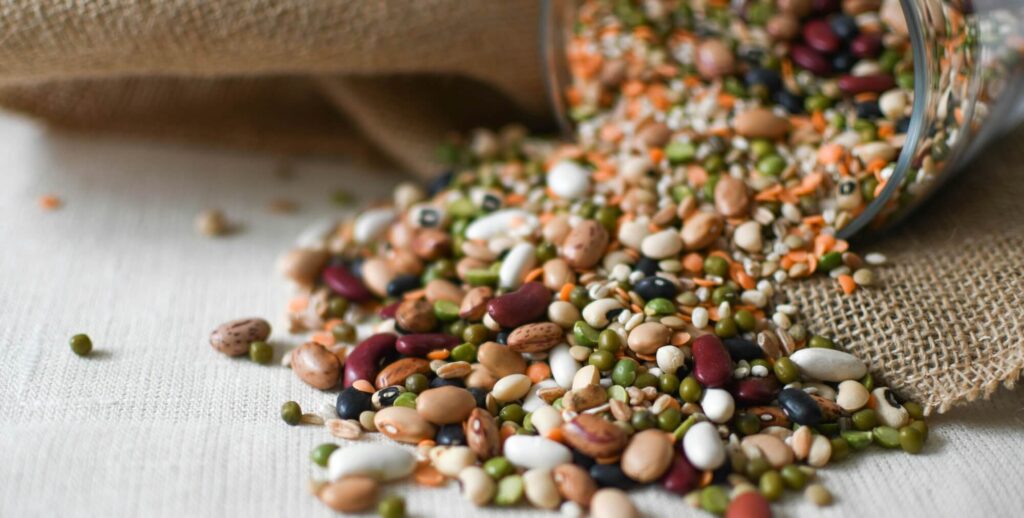
- Try one new legume—if you always reach for chickpeas, grab black-eyed peas, adzuki beans or cannellini this week instead. Each has a slightly different fiber profile and feeds a slightly different bacterial community. Variety at the microbial level, achieved in the bean aisle. You’re welcome.
- Explore the international produce section—bitter melon, taro, plantains, lotus root, fresh turmeric. These aren’t just exciting—they genuinely diversify your microbiome in ways that standard American produce simply can’t.
- Buy a grain you’ve never cooked—millet, teff, sorghum, amaranth. These ancient grains are usually as simple as simmer-and-fluff, and they bring entirely different fiber types to the table. Your gut bacteria will be thrilled. They’re easily impressed.
3. Upgrade what you’re already eating.
No new meals. No complicated recipes. Just build on what you’re already doing—this is the lowest-friction strategy of all three.
- Oatmeal → stir in a scoop of almond butter and a handful of hemp seeds before serving—barely any extra effort, but you’ve just added protein, fiber, and two more plant types before 8am. Top with pomegranate seeds or chopped apple and cinnamon and your gut will thank you.
- Pasta → swap half the noodles for red lentil or chickpea pasta. Same dish, very different fiber profile… and no one at the dinner table will notice. Or, even swap the pasta for some zucchini or spaghetti squash noodles occasionally.
- Soups and sauces → this is where you can quietly add anything. Pureed white beans thicken a soup beautifully. Frozen spinach disappears into tomato sauce. Red lentils melt into a curry without a trace. Sneaky? Yes. Effective? Absolutely.
- Dips and spreads → rotate beyond hummus (as beloved as it is) into white bean dip, baba ganoush or a lentil-based spread. Same use, different fiber, broader microbiome support.
- Snacks → roasted chickpeas, seaweed snacks, kale chips, a small handful of mixed nuts and dried fruit, apple slices with almond butter. They count toward your 10 and they beat a sleeve of crackers every single time.
Same structure. Same habits. Just quietly more interesting—for you and your microbiome.

Bonus Strategy if You Have a Sweet Tooth (Rich in Fiber + Protein!)
Fiber and dessert are not enemies. Neither are protein and dessert. Here’s how to have all three at once to up your fiber and keep blood sugar levels from spiking like crazy:
- Date + nut butter bites—stuff a Medjool date with almond or cashew butter and press a dark chocolate chip on top. Three ingredients, zero cooking, more fiber and protein than a granola bar, and they feel wildly indulgent for what they actually are. Unhinged in the best possible way.
- Dark chocolate + berries + nuts—don’t underestimate this one. Dark chocolate (70%+ cacao) is a legitimate plant food packed with fiber and prebiotic compounds. Pair it with a handful of mixed berries and even some walnuts or almonds for an antioxidant-and-fiber combo that feels like dessert and is dessert. Simplest win on the list.
- Chia pudding—mix chia seeds with unsweetened coconut or almond milk, a little maple syrup and vanilla. Refrigerate overnight. Top with hemp seeds and berries. Fiber, protein and antioxidants in something that genuinely feels indulgent. Overachiever behavior, honestly.
- Greek yogurt bark—spread full-fat Greek yogurt on a parchment-lined tray, swirl in almond butter, top with pomegranate seeds, dark chocolate chips and crushed walnuts. Freeze for two hours, break into pieces. High protein, high fiber, zero blood sugar chaos.
The goal isn’t to make dessert “healthy” in a sad, joyless way. It’s to make it work harder for you—so you can actually enjoy it without the crash that follows.

The Bigger Picture
When people want to improve their metabolic health, the instinct is almost always to restrict—cut carbs, eat less, try harder, suffer more. But that’s not how this works.
Metabolic health isn’t built through restriction. It’s built through regulation.
And fiber is one of the simplest, most evidence-backed ways to start supporting that regulation. Not perfectly. Not all at once. Just consistently—with a little more variety each week.
Stop shrinking. Start stabilizing.
Want to go deeper on all of this? Inside my Metabolic Reset program, we build exactly this kind of foundation — practical, sustainable, and rooted in how your body actually works, without overhauling your entire life. If you’re ready, I’d love to have you. Learn more here → Metabolic Reset program.





0 Comments