
If you’ve always thought creatine was only for bodybuilders, you’re definitely not alone. Honestly, for years I thought of it as “that gym bro supplement,” too. Somewhere along the way, creatine became associated with giant water jugs, pre-workout powders and people who made the gym their entire personality.
Meanwhile… women—especially women over 40—were almost completely left out of the conversation. And that’s unfortunate, because creatine might actually be one of the most well-researched supplements available for healthy aging.
As a registered dietitian who works primarily with midlife women, creatine has become one of the supplements I talk about most—because the research is that compelling. I take it myself every single day. My teenage son (who is a competitive soccer player) takes it. And a growing number of my clients are adding it to their routines with real results.
Here’s what we actually know.
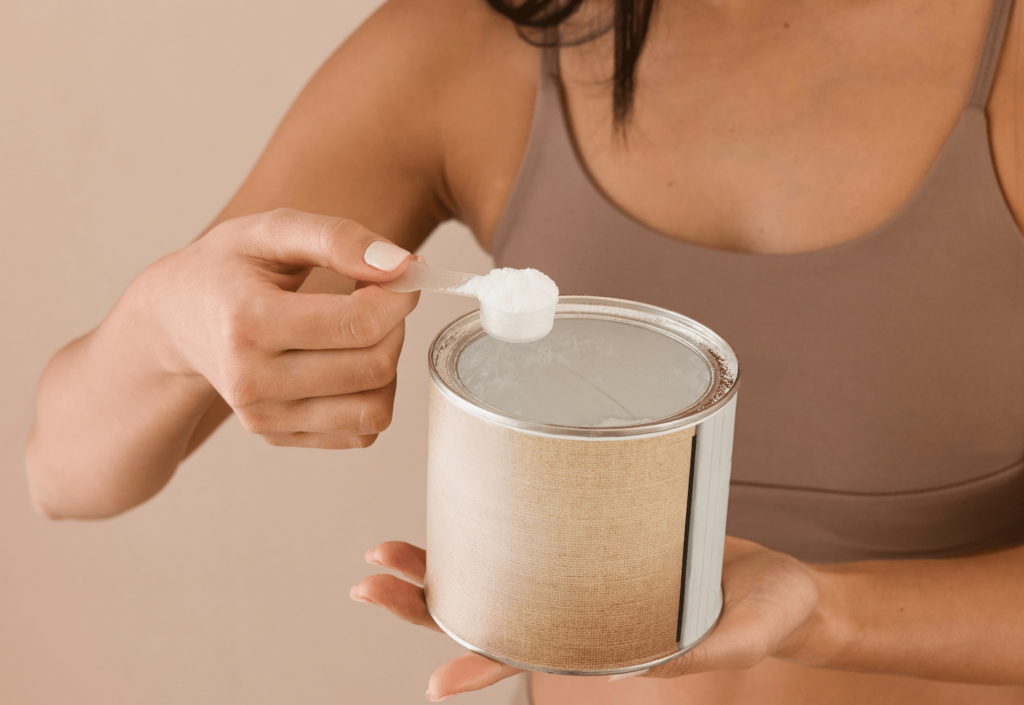
What Is Creatine?
Creatine is a naturally occurring compound made from three amino acids. Your body produces some on its own—primarily in the liver and kidneys—and you also get small amounts from foods like red meat and seafood. About 95% of your body’s creatine is stored in skeletal muscle, where it helps regenerate ATP, the primary energy currency your cells use during short bursts of physical and mental activity.
In plain terms: creatine helps your muscles—and other high-energy tissues like your brain—produce energy more efficiently. It is not a steroid. It’s not a hormone. It’s a compound your body already makes. Supplementing simply tops off your stores.
Why Creatine Matters for Women Over 40
Beginning in our 30s, we naturally start losing muscle mass—a process that accelerates through perimenopause and beyond. Researchers call this sarcopenia, and it happens slowly and silently. Most women don’t notice until strength, stability or metabolism has already shifted.
This matters because muscle isn’t just about how you look. Muscle supports:
- Healthy metabolism and blood sugar regulation
- Bone density (muscle and bone health are tightly linked)
- Balance, mobility and fall prevention
- Energy levels and recovery
- Long-term independence and quality of life
Research consistently shows that creatine combined with resistance training helps preserve lean muscle mass and improve strength more effectively than resistance training alone—and this holds true specifically for women in perimenopause and into menopause.
One study I love: Menopausal women who did resistance training and took creatine lost just 1.2% of hip bone density over a year. Women doing the same training with a placebo? Lost nearly 4%. Same exercise. The only difference was creatine.
Creatine and Brain Health: The Part Nobody’s Talking About
This is the piece that really got my attention.
Your brain is only about 2% of your body weight—but it consumes roughly 20% of your energy. It is a high-demand organ, and when brain cells run low on energy (due to aging, stress, hormonal changes, or poor sleep), cognitive performance takes a hit.
Sound familiar? For women in perimenopause and menopause, that brain fog is real and documented. It is not in your head—well, technically it is, but you’re not imagining it.
Emerging research on creatine and cognitive function is genuinely exciting:
- A 2024 systematic review and meta-analysis found that creatine supplementation has positive effects on cognitive performance in adults
- A study published in Scientific Reports found that creatine improved cognitive performance during sleep deprivation
- Pilot studies are now exploring creatine in the context of Alzheimer’s disease, with early results suggesting it may increase brain creatine stores and support cognitive function
This is an area of active research, and I want to be transparent that not all questions are answered yet. But the direction of the evidence is interesting enough that I think it’s worth knowing about—especially for anyone with a family history of cognitive decline.
Common Myths About Creatine (Let’s Clear These Up)
- “Creatine will damage my kidneys.” This is the myth I hear most often—and the one that frustrates me most, because I have had clients tell me their doctors advised them against creatine for this reason. Here’s what’s actually happening: creatine supplementation can cause a modest, temporary rise in creatinine—a waste product that labs use to estimate kidney function. When a doctor sees elevated creatinine, they may flag it as a kidney concern. But elevated creatinine from creatine supplementation is not the same as kidney damage. The research is clear: at recommended doses, in healthy individuals, creatine does not harm the kidneys. Hundreds of clinical trials and decades of data support this. *If you have pre-existing kidney disease, that’s a different conversation—and yes, please loop in your doctor. But for healthy adults, the kidney concern is not supported by the evidence.
- “Creatine will make me bulky.” This keeps a lot of women from trying something that could genuinely help them. The truth: “bulky” requires years of hard training, a caloric surplus, and — for women especially — is extremely difficult to achieve even when you’re actively trying. Women don’t have the testosterone levels required to accidentally get jacked. What you will likely notice is feeling stronger, more defined, and recovering better.
- “I’ll bloat.” If you skip the loading phase (more on that below) and just take 3–5 grams daily from the start, most people experience no noticeable water retention. The bloating concern is primarily associated with aggressive loading protocols, which aren’t necessary.
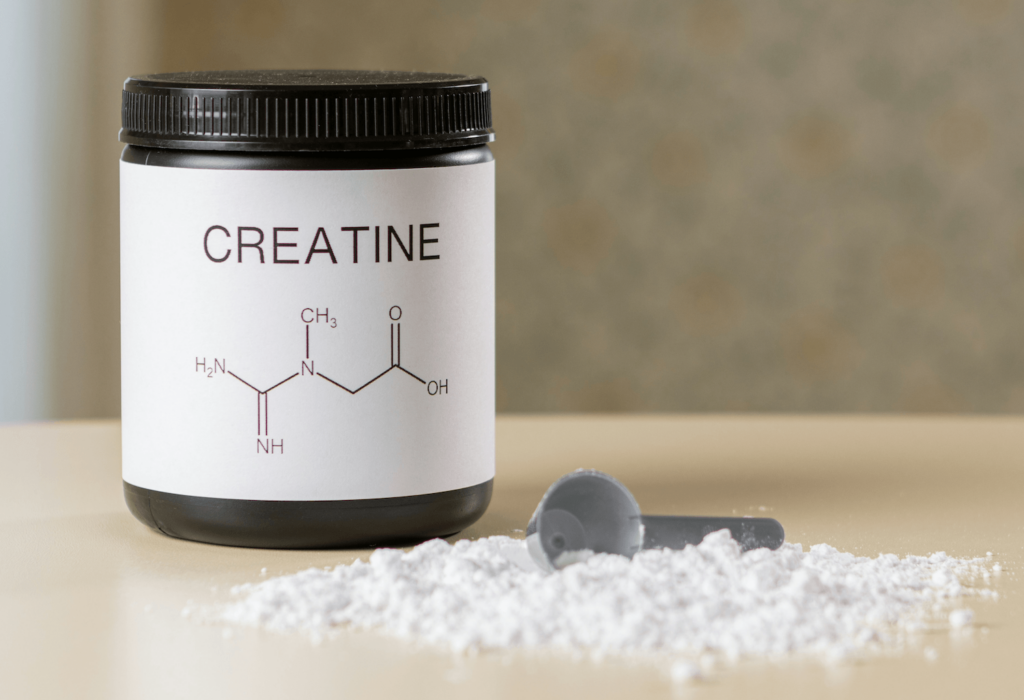
Is Creatine Safe?
For healthy adults, creatine monohydrate is considered one of the safest and most extensively researched dietary supplements available—with over 1,000 published studies and a safety record going back decades.
Current evidence supports:
- 3–5 grams per day is effective for most adults
- A loading phase is optional—not necessary
- No need to cycle on and off
- No kidney damage in healthy individuals
- Safe for long-term daily use
People with existing kidney disease, pregnant or breastfeeding women or those on medications affecting kidney function should consult their healthcare provider before starting.
Which Type Should You Buy?
Creatine monohydrate. Full stop.
There are newer, more expensive formulations on the market—creatine HCL, buffered creatine, creatine ethyl ester. None of them have shown meaningful advantages over plain monohydrate in the research. At least, yet. Creatine monohydrate has the strongest evidence right now, is the most affordable and works as well as or better than anything that sounds fancier.
Look for a product with third-party testing certification—NSF Certified for Sport, Informed Sport or USP Verified. This means an independent lab has confirmed the product contains what it claims and isn’t contaminated. The supplement industry is not heavily regulated, so this matters.
How to Take It
- Dose: 3–5 grams daily. Women in perimenopause and menopause may benefit from the higher end of that range.
- Loading phase: Optional. If you skip it and just take 3–5 grams per day, you’ll reach full muscle saturation in about 3–4 weeks with no side effects.
- Timing: Whenever you’ll actually remember to do it. Consistency matters more than timing.
- With what: Mix in water, coffee, a smoothie—it’s nearly tasteless and dissolves easily. Capsules work too.
On a personal note, I mix my creatine monohydrate into my morning latte, along with collagen. So yes, coffee counts as a creatine mixer too.
My Bottom Line
I don’t recommend supplements because they’re trending. I recommend them when the evidence is strong and they support the bigger picture: long-term health, strength and quality of life. Creatine is one of those rare supplements.
It’s not about getting bigger muscles. It’s about supporting the strength, energy, brain health and physical resilience to keep doing the things that matter to you—for decades to come. And for many women in midlife, this is one of the most impactful additions they can make to their supplement routine. And it’s one of the most affordable.
If you’re curious whether creatine makes sense for you—or want help building a nutrition approach that actually supports where you are in life—I’d love to connect.
Click here to learn more about working with me or to book a discovery call.
And if you want to learn more about creatine, check out my Elegantly Unhinged podcast episode on creatine. You can catch it on Spotify, Substack or Apple Podcasts.
Rima Kleiner, MS, RD is a registered dietitian and the host of Elegantly Unhinged. She specializes in midlife nutrition, helping women build strength, energy and long-term health—without the diet culture noise.





0 Comments