
Forget the summer body renovation. Here’s what actually helps.

Every June, the same messages show up. Get your summer body. Do the cleanse. Cut the carbs. Lose ten pounds before vacation.
And every year, people spend the first half of summer trying to become a different version of themselves instead of enjoying the season they’re already in.
But what if we stopped trying so hard to get a summer body? And, instead, focused on feeling good in the body we already have. By supporting it, not working against it.
Summer can make healthy eating feel harder, not easier. Schedules fall apart. Meals get skipped. Travel happens. Kids are home. Social events multiply. The structure that usually keeps things running smoothly tends to disappear sometime around mid-June.
So this isn’t a summer diet plan. It’s a handful of simple strategies that actually fit into summer life, support your metabolism and help you feel your best without turning your body into a project.

1. Put Protein First
If I could only give you one nutrition principle to anchor your summer, this would be it.
Protein supports muscle maintenance, stabilizes blood sugar, keeps you fuller longer and helps support metabolism. It’s also the nutrient most people are under-eating, especially earlier in the day.
Instead of thinking about protein as something you need to “hit,” think about making it the starting point for meals and snacks.
That might look like:
- Greek yogurt, protein smoothie or eggs and chicken sausage at breakfast
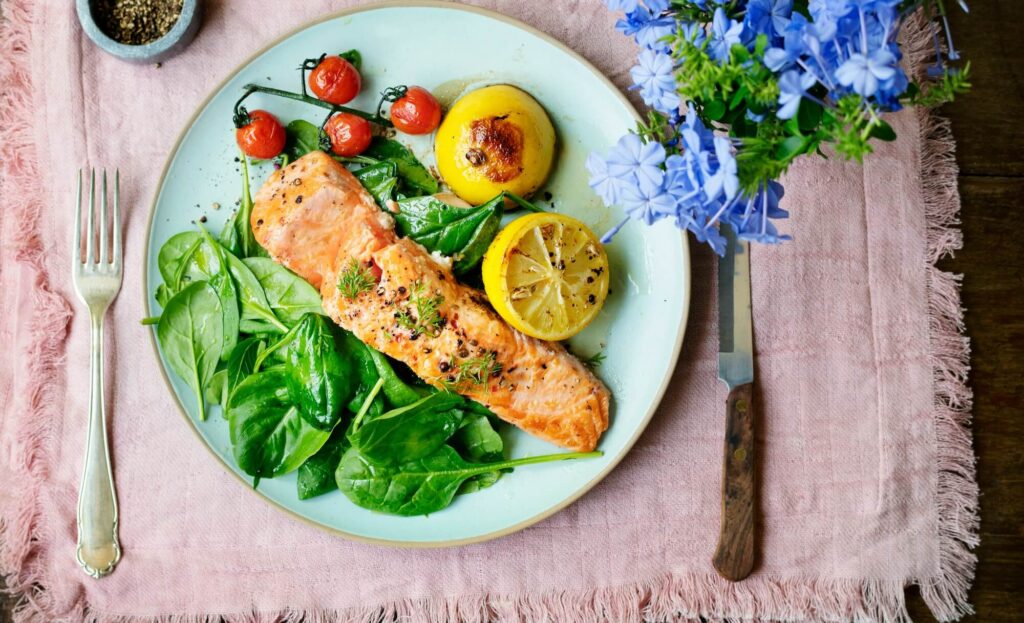
- Chicken, salmon, shrimp, tofu or beans added to salads
- Cottage cheese and fruit as a snack
- Edamame before happy hour
- Grilled chicken, burgers, fish or steak at summer cookouts
Aim for roughly 25–40 grams of protein per meal, depending on your body size and activity level.
Summer is grilling season. Let this work in your favor.
2. Stop Creating Food Emergencies
One of the fastest ways to feel out of control around food is to create a food emergency. You skip breakfast because you’re going out to dinner. You eat a tiny lunch because you’ll be at a cookout later. You spend all afternoon “being good.” Then dinner arrives and you’re starving.
At that point, hunger—not intention—is driving the bus. This isn’t a lack of willpower. It’s physiology. When you go too long without eating, blood sugar drops, cortisol rises and your brain becomes laser-focused on finding energy.
A better strategy? Eat normally during the day. Have breakfast. Eat lunch. Include protein.
Arrive at dinner pleasantly hungry, not ravenous. You’ll enjoy the meal more AND feel better afterward.

3. Hydration Matters More Than You Think
Many of the symptoms people blame on hunger, low motivation or “just getting older” are often made worse by dehydration.
Even mild dehydration can affect:
- Energy
- Mood
- Concentration
- Physical performance
- Appetite regulation
And summer creates plenty of opportunities to fall behind. Heat increases fluid losses. Alcohol contributes to dehydration. Travel disrupts routines. Outdoor activities add up quickly.
A few simple ways to stay ahead:
- Start your day with a large glass of water before coffee
- Carry a water bottle
- Alternate alcoholic drinks with water
- Eat hydrating foods like watermelon, strawberries, cucumbers, peaches and tomatoes
Simple? Yes. Effective? Also a heck yes.

4. Let Summer Be Summer
This is where nutrition and real life have to coexist. The barbecue. The birthday cake. The ice cream stand. The margarita on the patio. The spontaneous dinner invitation.
These are not nutritional emergencies. They’re part of a full life.
Health isn’t built from one meal. It’s built from patterns.
And for most people, the stress of constantly negotiating, restricting and second-guessing every food choice causes more harm than the occasional dessert ever will.
Instead eat your protein. Drink your water. Eat your vegetables. And then enjoy the ice cream with the kids or friends without adding guilt as a topping.

5. Choose One Anchor Habit
Summer can be wonderfully chaotic. Travel happens. Schedules shift. Kids are everywhere. Life gets full.
When everything feels off, don’t try to maintain twelve habits. Choose one.
Maybe it’s:
- Eating protein at breakfast
- Drinking a glass of water before every meal
- Not skipping lunch
- Taking a walk after dinner
- Packing a protein-rich snack when you’re out
One habit, done consistently, does more than five habits done intermittently. Choose your anchor and let the rest be flexible.

What Healthy Summer Living Actually Looks Like
Not a cleanse. Not a challenge. Not a before-and-after transformation.
It looks like eating enough to feel good. Moving your body in ways that feel good. Drinking enough water. Getting enough sleep when you can. Spending time with people you love. And creating enough consistency that your body has what it needs to function well.
The clients I see make the most meaningful, lasting progress in their health are rarely the ones who white-knuckle their way through summer. They’re the ones who learn how to support themselves consistently—even when life gets busy.
That’s what we’re aiming for.
Not perfection.
Just enough consistency to feel good in your body—and enough flexibility to actually enjoy your summer.
Let’s Work Together
Want support building a nutrition approach that actually fits your real life? I work with clients 1:1 to create personalized strategies that support metabolism, energy and long-term health—without perfection, restriction or starting over every Monday. Click HERE to learn more about my programs that help to transform your health and life.





0 Comments