
May is Mediterranean Diet Month—and there’s never been a better time to understand why this way of eating continues to rank as one of the healthiest, most evidence-backed and sustainable eating patterns in the world.
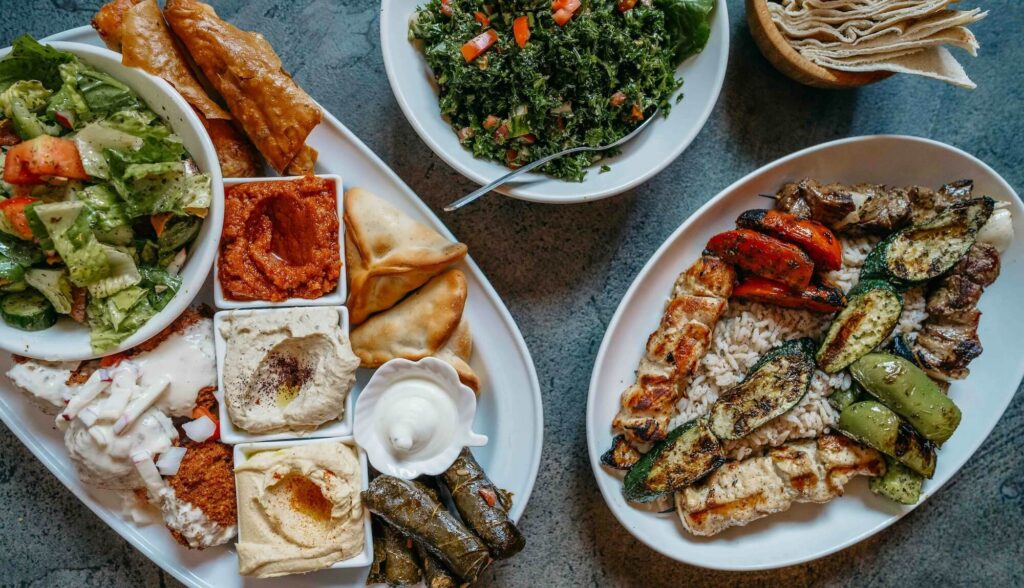
If you’ve heard of the Mediterranean diet but aren’t quite sure what it actually involves—or whether it’s realistic for your life—then keep reading.
No complicated rules. No elimination lists. Just a practical, evidence-based look at what this way of eating actually is, why it works and how to start doing it in real life—even on a Tuesday night with 30 minutes and a rotisserie chicken.
What Is the Mediterranean Diet?
The Mediterranean diet is based on the traditional eating patterns of cultures bordering the Mediterranean Sea—Greece, Southern Italy, Spain, coastal Turkey, Israel and other parts of the Middle East and North Africa. It rose to global attention in the 1960s when researcher Ancel Keys observed that people in these regions had remarkably low rates of heart disease and lived long, healthy lives—despite diets rich in fat (primarily olive oil).
Since then, it has become one of the most studied dietary patterns in nutrition science. And it keeps holding up.
But here’s what’s important to understand: the Mediterranean diet isn’t a single, rigid protocol. There’s no official food list, no calorie target, no foods that are strictly off-limits. It’s more like a collection of shared cultural habits and food patterns that, together, create a deeply health-supportive environment for the body.
What Mediterranean Eating Emphasizes
- Vegetables — all kinds, at most meals, in generous amounts
- Fruit — daily, often as dessert or as part of a snack
- Legumes — beans, lentils and chickpeas regularly throughout the week
- Whole grains — bread, farro, bulgur, quinoa, whole grain pasta in modest amounts
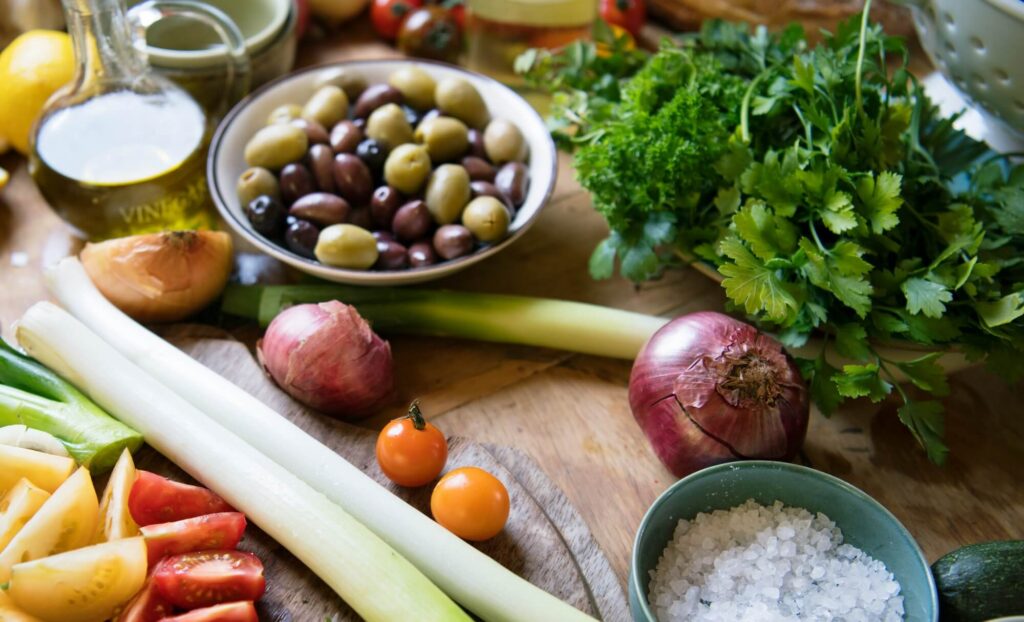
- Olive oil — as the primary fat, used generously for cooking and finishing
- Nuts and seeds — walnuts, almonds, pistachios, sesame, hemp, chia
- Seafood — fish and shellfish more frequently than red meat
- Herbs and spices — za’atar, oregano, cumin, turmeric, sumac, fresh herbs
- Moderate dairy — primarily yogurt, feta and aged cheeses
- Eggs — regularly
- Less ultra-processed food — not eliminated, just not the foundation of the diet
- Movement — built naturally into daily life, not just scheduled exercise
- Social connection around food — meals shared with others, eaten slowly and with pleasure and intention
What’s notably not at the center of Mediterranean eating? Restriction. Elimination. Fear. The emphasis is on nourishment, rhythm, flavor and consistency—not perfection.

Benefits of the Mediterranean Diet
The research on Mediterranean-style eating is extensive, consistent and genuinely impressive across nearly every area of health. Here’s a breakdown by category:
Heart Health
Cardiovascular disease is the leading cause of death worldwide—and Mediterranean eating is one of the most evidence-backed dietary approaches for reducing that risk.
The landmark PREDIMED trial—one of the largest nutrition studies ever conducted—found that Mediterranean-style eating supplemented with extra virgin olive oil or nuts significantly reduced major cardiovascular events in high-risk adults. Not marginally. Significantly.
Mediterranean eating supports heart health through multiple mechanisms: reducing LDL oxidation, lowering triglycerides, improving HDL cholesterol, reducing blood pressure and decreasing systemic inflammation—all at once.
Brain & Nervous System
Cognitive decline, dementia and Alzheimer’s disease are among the most feared health outcomes as we age. Mediterranean eating is consistently associated with better cognitive health and lower dementia risk—in large part thanks to its combination of omega-3 fatty acids, polyphenols, antioxidants and anti-inflammatory compounds that protect brain tissue over time.
Beyond dementia prevention, Mediterranean eating has also been associated with reduced depression risk—a connection that’s increasingly understood through the gut-brain axis and the role of inflammation in mood disorders.
And there’s a nervous system piece that often goes undiscussed: the rhythm and structure of Mediterranean eating—predictable meals, balanced blood sugar, slower eating, social connection—actively supports parasympathetic nervous system function (your “rest and digest” state). In a culture of chronic stress and rushed meals, that matters more than we give it credit for.
Energy & Blood Sugar
Mediterranean eating is built around foods that produce a low to moderate glycemic response—fiber-rich vegetables, legumes, whole grains, healthy fats and protein. That combination naturally produces more stable blood sugar throughout the day.
More stable blood sugar means:
- Less energy crashes
- Fewer intense cravings
- More consistent focus
- Better insulin sensitivity over time
- Lower risk of type 2 diabetes
This is one reason Mediterranean eating tends to feel sustainable (meaning for the long term) in a way that many other approaches don’t—you’re not white-knuckling hunger or riding a blood sugar rollercoaster. You’re genuinely, physiologically satisfied.
Gut Health
A diverse, plant-rich diet is one of the most powerful things you can do for your gut microbiome—and Mediterranean eating delivers exactly that. The variety of vegetables, legumes, whole grains, fermented dairy and polyphenol-rich foods (olive oil, berries, herbs) feeds a wide range of beneficial gut bacteria.
Greater gut microbiome diversity is associated with better immune function, lower inflammation, improved mood, more stable blood sugar and healthier weight—essentially, a well-fed microbiome touches almost every system in the body.
Midlife & Healthy Aging
Mediterranean eating becomes especially relevant in midlife, when concerns like insulin resistance, inflammation, cardiovascular risk, muscle maintenance, cognitive health and hormonal resilience become more central.
For both women and men, this way of eating helps support the systems that tend to become more vulnerable with age:
- Muscle maintenance — adequate protein + anti-inflammatory eating = better body composition with age
- Hormonal resilience — healthy fats and stable blood sugar support hormone production and regulation
- Bone health — calcium from yogurt and cheese, vitamin D from fish, magnesium from leafy greens and nuts
- Metabolic health — reduced visceral fat, improved insulin sensitivity, lower inflammation
- Energy and sleep — blood sugar stability and circadian rhythm support go hand in hand
The Blue Zones research—which studied the world’s longest-lived populations in places like Sardinia and Ikaria, Greece—found Mediterranean-adjacent eating patterns as a consistent thread in communities where people routinely live active, healthy lives well into their 80s, 90s and beyond. Not because they were tracking macros. Because they were eating real food, moving naturally and doing it together.
Family-Friendly & Sustainable
One of the less-discussed benefits of Mediterranean eating is how naturally it lends itself to feeding a family, sharing meals and cooking without obsession. The foods are familiar, affordable (beans and lentils are among the most economical proteins available) and genuinely delicious.
It doesn’t require specialty products, expensive supplements or a food philosophy that makes eating with other people difficult. It’s designed, at its cultural core, to be shared.

What Does a Mediterranean Day of Eating Look Like?
Here’s a realistic, delicious example—nothing fancy, nothing that requires culinary school:
Breakfast
Greek yogurt bowl with fresh or frozen berries, walnuts, chia seeds, a drizzle of honey and a pinch of cinnamon. Or, two eggs scrambled in olive oil with spinach and a slice of sourdough.
Lunch
Lentil and quinoa salad with roasted vegetables, olive oil vinaigrette, fresh herbs and crumbled feta. Or, a simple grain bowl with chickpeas, cucumber, tomatoes and tahini dressing.
Snack
Apple + pistachios. Hummus + vegetables. Cottage cheese with berries and walnuts. Olives and a small handful of almonds.
Dinner
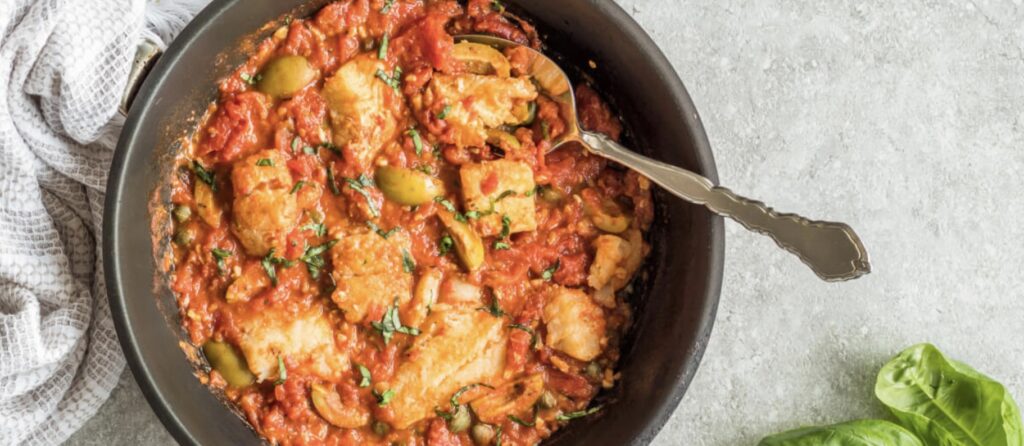
Sheet-pan salmon with roasted seasonal vegetables and herbed potatoes. A simple arugula salad with lemon and olive oil. Done—genuinely easy, genuinely satisfying.
Dessert
Dark chocolate and berries. Fresh fruit with a little honey and walnuts. A small square of good cheese.
No calorie counting. No macro math. Just real food, put together well.
Real-Life Mediterranean: The Permission Slip You Needed
Let’s be honest about something: the idealized version of Mediterranean eating—fresh fish from the market, vegetables from the garden, leisurely lunches in the sun—is beautiful and also not most people’s Tuesday.
And that’s completely fine. Because the principles of Mediterranean eating translate beautifully to real, busy, imperfect life. Here’s how:
Canned beans count. Canned chickpeas, white beans and lentils are nutritionally equivalent to dried and cooked beans. Drain, rinse, use. They are one of the most convenient, affordable, nutrient-dense foods available.
Frozen vegetables count. Frozen spinach, cauliflower, peas, edamame and mixed vegetables are picked and frozen at peak ripeness. They’re just as nutritious as fresh—often more so—and they don’t go bad on Wednesday.
Rotisserie chicken is a Mediterranean shortcut. Pair it with a bagged salad, roasted potatoes and a drizzle of olive oil, and you have a genuinely solid Mediterranean meal in under 15 minutes.
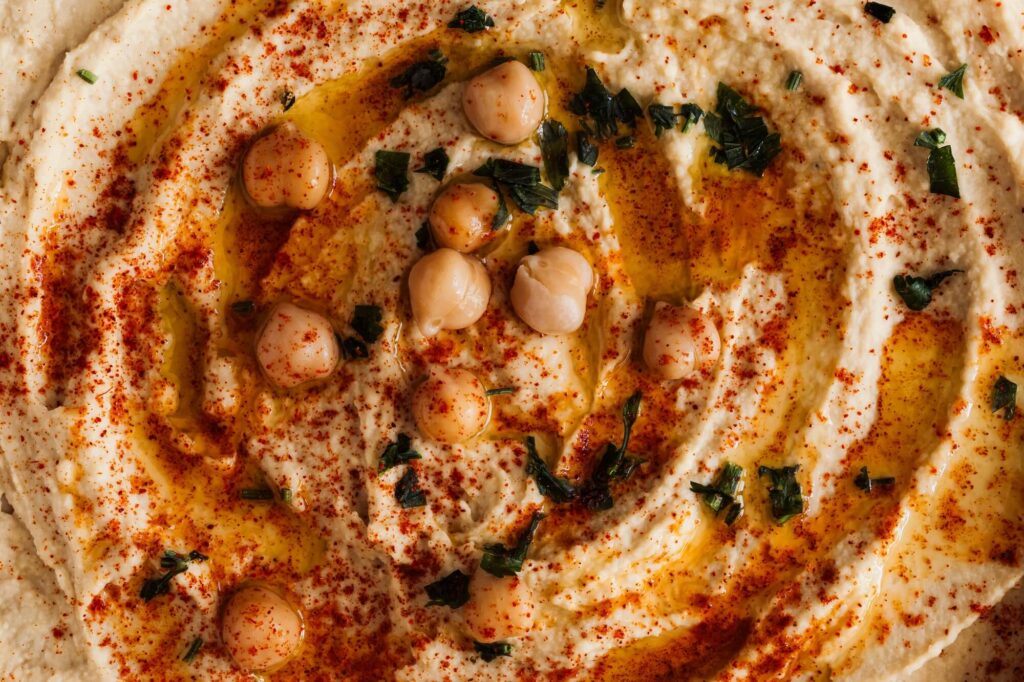
Store-bought tzatziki, hummus and baba ghanoush are completely valid. You do not need to make these from scratch to benefit from them. Buy the good stuff and use it liberally.
Tinned fish is having a well-deserved moment. Sardines, tuna, mackerel, anchovies—these are omega-3-rich, protein-packed, shelf-stable and genuinely delicious on whole grain crackers with white beans and lemon. Welcome to the tinned fish era, and you don’t even need to be on TikTok to enjoy it.
A simple olive oil + lemon dressing is enough. You don’t need a complicated recipe. Good olive oil, fresh lemon, a pinch of salt, maybe some dried oregano. That’s it. That’s a Mediterranean dressing.
Bagged salad greens are not cheating. They’re Tuesday. Add some white beans, cherry tomatoes, feta and olive oil, and you have a real meal.
The goal is not a flawless execution of an idealized eating pattern. The goal is building more of these habits, more of the time—in whatever form fits your actual life.
Why the Mediterranean Diet Keeps Working (and Keeps Getting Recommended)
Year after year, the Mediterranean diet ranks at or near the top of U.S. News & World Report’s annual Best Diets rankings—alongside consistent endorsement from the American Heart Association, the American Diabetes Association and virtually every major nutrition and medical organization.
That’s not a coincidence. It’s not a trend. It’s the result of decades of converging evidence across thousands of studies in dozens of countries.
But I think the reason it keeps working—not just in clinical trials, but in real human lives—goes beyond the nutrients.
It works because it doesn’t ask you to be afraid of food. It works because it’s built around pleasure and connection, not restriction and control. It works because it creates a physiological environment of nourishment and rhythm that the body recognizes as safe—and responds to accordingly.
The healthiest eating patterns in the world are rarely the most extreme. They’re the most sustainable.
And the Mediterranean lifestyle has understood that all along.
Simple Ways to Start Eating More Mediterranean Today
You don’t need to overhaul everything at once. Small, consistent shifts compound. Here are easy entry points:
- Swap your cooking oil to extra virgin olive oil — use it generously
- Add beans or lentils to two meals this week — toss them into salads, soups or grain bowls
- Eat fish twice this week — salmon, sardines, shrimp or tuna all count
- Build at least one meal a day around vegetables — half the plate, as a foundation
- Add a small handful of nuts or seeds daily — walnuts, pistachios, almonds, hemp seeds
- Slow down at one meal per day — put the phone away, sit down, actually taste (and enjoy!) your food
- Walk after dinner when you can — even 10 minutes supports blood sugar and digestion
- Eat with other people when possible — it changes the entire experience of a meal
You don’t have to do all of these at once. Pick one or two. Build from there.
Bottom Line
The Mediterranean diet isn’t a quick fix, a detox, or a program with a start and end date. It’s a way of relating to food—and to your body—that prioritizes nourishment over restriction, consistency over perfection, and pleasure over punishment.
The science is solid. The food is delicious. And it’s flexible enough to work in a real, busy, imperfect life.
That’s why it works. That’s why it lasts.
Click HERE to download 12 FREE & EASY MEDITERRANEAN RECIPES!
Want more practical guidance on Mediterranean eating, blood sugar balance and building meals that actually support your health?
Subscribe to our newsletter by clicking HERE.





0 Comments